The living room is one of the most important spaces in the home. There, moments with family are shared, guests are received, and, many times, one also rests after a long day. Therefore, properly defining the furniture that will be part of this space is not only an aesthetic matter; it also influences the comfort, functionality, and harmony of the space.
Looking ahead to 2026, trends in living room furniture point toward more versatile designs, durable materials, and styles that combine elegance with practicality. Modular sofas, multifunctional coffee tables, lightweight shelves, and sustainable materials gain prominence in homes seeking a balance between design and utility. However, beyond trends, each living room has unique characteristics that require attention: space dimensions, layout, lighting, and decorative style.
A good guide helps understand which aspects really make a difference when incorporating new furniture in the living room. The appropriate size, the quality of materials, the proportion between pieces, and visual coherence with the rest of the home are key factors for creating a pleasant and functional environment.
In this 2026 living room furniture buying guide, the most important points to consider before making a decision are explained. From defining the decorative style to choosing durable materials and proper proportions, you will find clear recommendations to achieve a comfortable, aesthetically pleasing, and well-organized living room.
Living room furniture styles that will set trends in 2026
Trends in living room furniture evolve every year, adapting to new ways of living in the home. This practical guide also helps how to choose the right furniture before buying, considering the type of furniture that best fits the space. When furnishing a living room it is important to analyze the main living room furniture, integrate storage solutions, take advantage of storage spaces and complement the layout with functional pieces such as a sideboard, which makes choosing furniture more organized.
For 2026, interior design bets on spaces balanced, functional and visually harmonious. More than following a fleeting fashion, the key is to build environments that combine aesthetics, comfort and personality.
The styles that stand out today share one common point: they seek to simplify the space without losing character. From minimalist proposals to urban-inspired environments, each trend offers different ways to organize the living room and give it its own identity.
Below are some of the living room furniture styles that will have greater presence in 2026.
Modern and minimalist style
The modern style with a minimalist approach continues to solidify as one of the most valued options in interior design. Its main feature is visual simplicity, where each piece of furniture fulfills a clear function within the space.
Simple lines
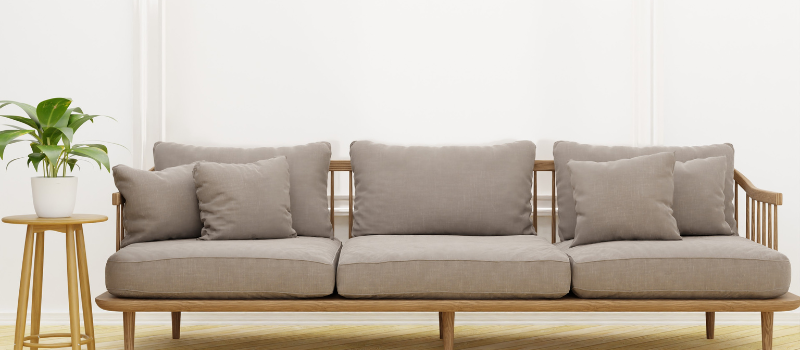
The furniture presents clean, straight lines and without excessive ornamentation. Defined-structure sofas, geometric coffee tables, and shelves with simple designs help create a sense of order and balance. The absence of unnecessary decorative elements allows the living room to feel more spacious and organized.
Neutral colors
The color palettes remain sober. Tones such as white, beige, light gray or sand dominate the environment, creating a calm visual base. These colors also facilitate the combination with textiles or decorative accessories that provide small contrasts.
Visually light spaces
Another key characteristic is visual lightness. The furniture usually has visible legs, slim structures and balanced proportions that avoid saturating the environment. This approach is especially useful in small living rooms or homes where you want to convey spaciousness.
Contemporary style
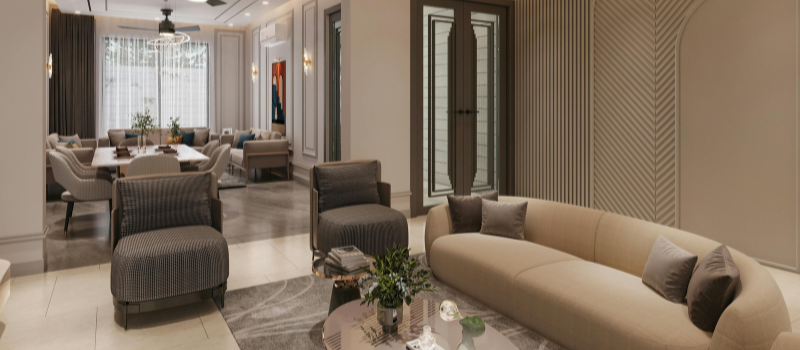
The contemporary style is characterized by its adaptability. It does not follow rigid rules, but combines current elements with details inspired by classic or modern styles.
Mix of materials
In this style it is common to find interesting combinations: wood with metal, glass with soft textiles or glossy surfaces alongside matte finishes. This mix adds visual dynamism without losing elegance.
Current design with classic elements
Contemporary furniture maintains current shapes, but integrates details that recall traditional styles. For example, a sofa with modern lines paired with a coffee table finished in natural wood. The result is a balanced living room that conveys sophistication without being excessive.
Scandinavian style
Inspired by Nordic countries, the Scandinavian style remains an important reference in decoration. Its success is due to its ability to create warm, functional and bright environments.
Light colors
Light tones dominate the space. White, soft gray and beige are combined with pastel shades or black details to create contrast. This palette helps reflect natural light and contributes to making the living room feel more spacious.
Natural materials
Light wood is one of the most representative elements of this style. Aparece en mesas, estanterías o estructuras de sofás, contributing a sense of warmth and naturalness.
Bright and functional environments
Furniture is usually practical and lightweight. Each piece serves a clear function, avoiding visual overload. The result is a cozy living room, well-organized, and with a relaxing atmosphere.
Industrial style
Industrial style continues to gain popularity, especially in urban spaces or loft-style apartments. Its aesthetics are inspired by old factories and warehouses converted into living spaces.
Metal, dark wood and rugged finishes
The main materials are metal, dark wood and aged finishes. Coffee tables with metal frames, open shelves, and leather or thick fabric sofas add character to the environment.
Urban spaces with character
This style conveys personality and visual strength. Furniture often has a strong presence and sturdy structures, creating a living room with a defined identity and a modern feel.
Materials ideal for living room furniture in 2026
The material of the furniture directly influences durability, aesthetics, and maintenance of the space. In 2026, interior design trends prioritize durable materials, visually balanced, and capable of adapting to different decorative styles. The combination of functionality and appearance becomes a key factor in defining the furniture that will be part of the living room.
Moreover, each material brings a different feel to the environment. Some transmit warmth, others create visual lightness or add a more modern character. Understanding the characteristics of each option helps create a living room that is more comfortable, harmonious, and aligned with the home’s needs.
Natural wood and its advantages
Natural wood continues to be one of the most valued materials in living room furniture. Its presence brings a balance between elegance, durability, and versatility.
Durability
When working with high-quality woods, the furniture can stay in excellent condition for many years. Coffee tables, shelves, or auxiliary furniture made from solid wood offer a sturdy structure that withstands daily use without deteriorating easily.
Warm aesthetics
One of the greatest appeals of wood is the warmth it brings to the space. Its natural grains and organic tones help create cozy spaces, especially when combined with soft textiles or warm lighting.
Decorative versatility
Wood works well in a wide variety of decorative styles. It can be integrated into modern, Scandinavian, rustic or contemporary environments without losing visual coherence. It also comes in different finishes, from light tones to darker, more intense woods.
Metal and modern structures
Metal has gained prominence in living room furniture design thanks to its resistance and current aesthetics. Its use usually appears in structures, table legs, or shelf frames.
Industrial or contemporary style
Metal is associated with modern decorative styles. In industrial environments it tends to appear in dark tones or aged finishes, while in contemporary spaces it can be found in black, gold, or chrome finishes. This variety makes it easy to integrate into different design proposals.
Glass and lightweight surfaces
Glass is a material that provides visual lightness. Its presence allows creating furniture that occupies physical space without saturating the environment.
Sense of openness
Glass surfaces reflect light and reduce the sense of volume of the furniture. Coffee tables or side tables with glass tops help the living room feel more open and bright.
Integration in small spaces
In rooms with reduced dimensions, glass can be especially useful. Being a transparent material, it helps maintain the visual continuity of the space, preventing furniture from feeling heavy or dominant.
Most commonly used upholstery for sofas and armchairs
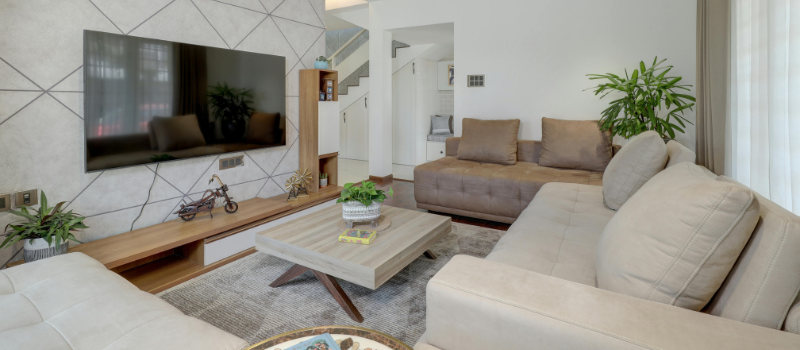
Upholstery influences both comfort and the appearance of the furniture. There are several materials used in sofas and armchairs that stand out for their functionality.
Fabric
Fabric is one of the most common options. It offers a wide variety of colors, textures, and styles. It also allows creating warm and comfortable environments, easily adapting to different decorative proposals.
Microfiber
Microfiber stands out for its resistance to daily use. It is a soft material to the touch and easy to maintain, making it a practical alternative for homes with children or pets.
Leather and synthetic alternatives
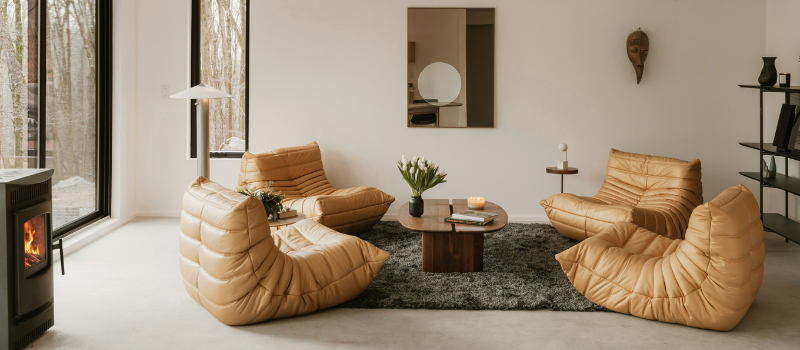
Leather provides a sophisticated and elegant look. Its surface is durable and tends to improve over time if properly maintained. On the other hand, synthetic alternatives offer a similar appearance with a lower cost and less maintenance.
Sustainable materials and eco-friendly trends
Sustainability has become an increasingly relevant aspect in furniture design. In 2026, many manufacturers prioritize materials with lower environmental impact.
Among the most used options are timber from responsibly managed forests, recycled textiles or natural fibers such as linen and cotton. There is also an increase in the use of recycled materials and more efficient production processes.
Conclusion
Creating a comfortable and balanced living room requires paying attention to several key factors, such as the style of the furniture, the space dimensions, and the quality of the materials. When these elements are combined properly, the result is a functional, pleasant, and visually harmonious environment.
Living room furniture trends in 2026 stand out for their focus on versatility, the use of natural materials, and designs that optimize the space. Beyond trends, the most important thing is to maintain coherence between the furniture and the overall style of the home.
With careful planning, it is possible to build a practical, aesthetically pleasing, and durable living room, designed to enjoy the space with comfort every day.






.png)