If you're looking for an effective and safe way to gain muscle mass in less time, you have probably already heard about creatine. It is not a passing fad nor a miracle supplement: it is one of the most studied compounds in the world of sports and nutrition. Its efficacy in improving physical performance, accelerating recovery, and promoting muscle growth is widely supported by science.
That said, the market is saturated with options. Creatine monohydrate, HCL, micronized, flavored, unflavored, in capsules, in powder… How to know which is best for you? The answer is not always simple. It's not just about choosing the most expensive or the most popular, but about finding one that fits your goals, your training type, and, of course, your body.
In this updated guide we have selected the best creatines for gaining muscle mass quickly and effectively, evaluating not only their composition and purity but also the real experience of those who already use them. If you want visible, sustainable results without risking your health, stay until the end: this comparison will help you make an informed and sound decision.
What is creatine and why does it help you gain muscle mass?
Creatine is a natural substance found in small amounts in foods such as red meat and fish, and it is also produced in the body, mainly in the liver, pancreas, and kidneys. Its main function is to participate in the production of cellular energy, especially during high-intensity, short-duration physical activities, such as weightlifting or sprints.
When we talk about creatine supplementation, we refer to taking a concentrated and more effective form of this compound, designed to increase phosphocreatine levels in the muscles. This translates into a greater ability to generate rapid energy, something crucial in training focused on strength and size.
How does it act in the body during training?
During an explosive physical effort, such as an intense bench press set or heavy squats, the muscles require immediate energy. Here phosphocreatine comes into play, helping to rapidly regenerate ATP (adenosine triphosphate), the direct energy source for muscle cells.
By supplementing with creatine, you increase the phosphocreatine reserve, which allows you to train harder, with greater intensity and for longer. This not only improves performance in the moment but also generates a greater stimulus for muscle growth. In other words, more strength and endurance lead to more repetitions, more load and, consequently, more muscle hypertrophy.
Proven benefits for muscle growth
Various studies have confirmed that creatine not only improves physical performance but also directly contributes to the development of muscle mass. Some of its most relevant benefits include:
- Increase in cellular volume (the muscles look fuller and more defined)
- Improved recovery between sets and workouts
- Stimulation of muscle growth through greater training load
- Improved protein synthesis and reduced muscle degradation
In addition, its long-term use is safe in healthy people and does not require cycles or complex phases. That is why creatine has become the most recommended supplement for those seeking visible results without hassles.
Guide to creatine types: which is better for increasing muscle mass?
Creatine is one of the most effective supplements for gaining muscle mass, but not all types are equal. Over time, different formulations have emerged that promise better absorption, fewer side effects, or faster results. Below, we analyze the main variants available on the market to help you choose the most suitable one according to your needs.
Creatine monohydrate (the most popular and studied)
Creatine monohydrate is the most classic, studied and recommended form. It has been used for decades by athletes and bodybuilders, and there is a large amount of scientific research backing its efficacy to increase strength, endurance and muscle mass.
Besides its effectiveness, it stands out for its excellent value for money. It comes in powder, unflavored or flavored, and is usually well tolerated when consumed with enough water. Some versions are micronized, which improves dissolution and absorption.
In summary: if you are looking for a safe, affordable and effective option, this is the best to start with.
Creatine HCL (more soluble, less water retention)
Creatine hydrochloride (HCL) is a newer version that has gained popularity thanks to its high solubility in water and its low incidence of digestive side effects. A smaller dose is needed than the monohydrate to achieve similar results, which makes it attractive for those looking to avoid bloating or water retention.
Although it has fewer long-term studies, many users report better tolerance and comparable results.
Creatine ethyl ester, Kre-Alkalyn and other variants (comparative summary)
There are other versions such as ethyl ester creatine, Kre-Alkalyn and creatine nitrate, which promise greater stability and absorption. However, the available studies do not show significant advantages over the monohydrate. In fact, some may be less effective and more expensive.
These variants can work in certain contexts, but they do not always justify the price or the lack of solid evidence.
Which to choose if you are a beginner or have digestive sensitivity?
If you're starting with supplementation, the best option remains micronized creatine monohydrate: it is safe, effective and affordable. However, if you have a history of stomach upset or seek to avoid water retention, creatine HCL may be an ideal alternative.
Both offer good results, but the most important thing is consistency in its use and accompanying it with a proper diet and progressive training.
Ranking 2025: Best creatines to gain muscle mass quickly
Below is an updated selection of highly recommended creatines for those seeking rapid and effective hypertrophy. Each option has been assessed for its quality, backing, reported results and cost-benefit ratio.
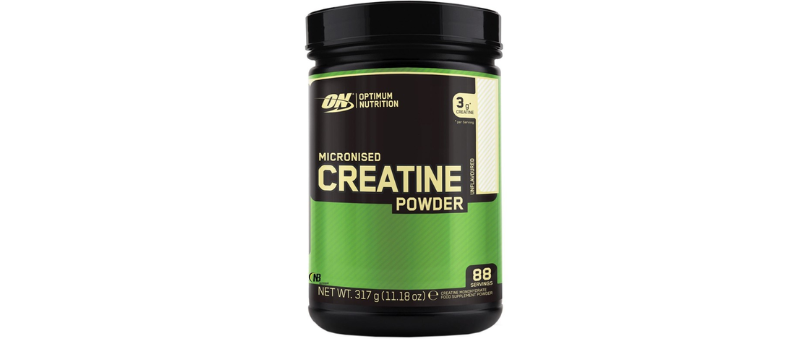
#1 – Optimum Nutrition Creatine Powder – Best value for money
Key advantages:
- Pure creatine monohydrate, without unnecessary additives.
- Excellent price-performance ratio.
- Great solubility and good digestive tolerance for most users.
Why it ranks #1:
Optimum Nutrition is a well-known brand, with quality certifications and a focus on clean ingredients. Many experts in 2025 rankings place it as the most balanced given its overall characteristics. Men's Health+1
For someone who wants results without getting tangled in highly specialized formulas, this creatine delivers efficiency and simplicity.
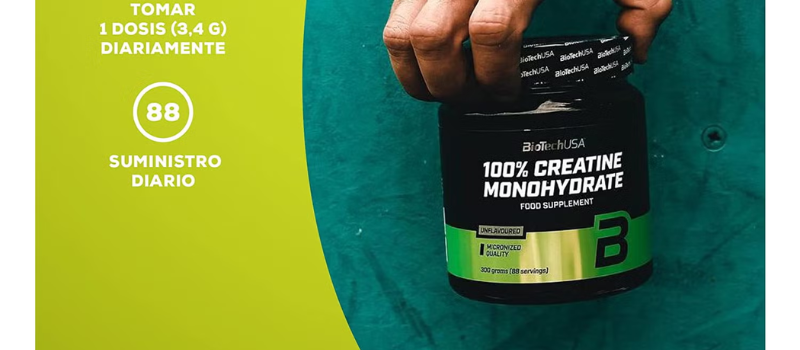
#2 – Biotech USA 100% Creatine Monohydrate – Most recommended by athletes
Key advantages:
- Established European brand in the world of sport.
- Recommended by athletes and coaches for reliability and consistency.
- Good purity and quality control.
Why at position #2:
This product tends to appear on lists of the most used by professional athletes, thanks to its reputation, recognized effectiveness and availability in Europe. Its backing in the sports community gives it great weight in recommending it to those who already have experience or seek professional-level confidence.
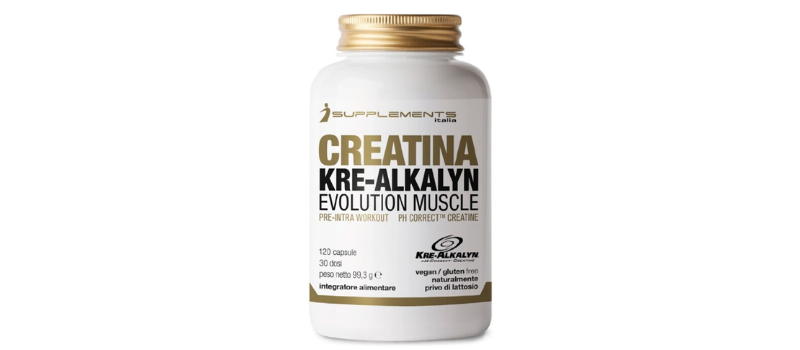
#3 – Isupplements Creatine Kre-Alkalyn Evolution Muscle – Premium option for fast results
Key advantages:
- Buffered creatine formula (Kre-Alkalyn), which promises less conversion to creatinine and better gastric stability.
- Ideal for those seeking a more “advanced” version and willing to pay for specific improvements.
- Can be better tolerated at high doses without adverse effects.
Considerations:
Although it is a premium option, there is no strong scientific consensus that demonstrates significant advantages over pure monohydrate in all cases. Some people do prefer it as they experience less digestive discomfort with buffered formulas.
#4 – OstroVit Creatine Monohydrate Pure 500 g – Ideal for beginners
Key advantages:
- Large packaging (500 g) which lowers the cost per dose.
- Simple and recognized composition.
- Good tolerance and easy to use for those starting supplementation.
Why here:
For someone starting in the world of weight training and supplementation, OstroVit provides the essentials: pure creatine, good availability, no complications and positive user support. It is one of the most accessible options to learn how to “work with creatine.”
#5 – VARIADO Bandini Creatine Monohydrate Mercury-Free Powder – Vegan and additive-free
Key advantages:
- Pure formula, without heavy metals (mercury-free).
- Focus on consumers with high ethical and purity standards.
- Compatible with strict diets (no unnecessary additives, minimal ingredients).
Why occupy the #5 spot:
Not always “vegan and pure” deliver the same performance as conventional formulas, but this option is valuable for those demanding high quality and safety criteria. Its focus is less about promising radical results, but offering a clean option that does not sacrifice the essential.
How to take creatine to effectively gain muscle mass?
Taking creatine correctly can make the difference between seeing rapid results or barely noticing changes. Although it is a simple supplement, there are certain key aspects worth knowing to improve its performance, increase mass and avoid common mistakes. This comprehensive guide will show you how to use it safely and effectively.
Recommended daily dose
The recommended daily dose of creatine monohydrate is usually between 3 and 5 g of creatine per day. This amount is enough to keep creatine stores full, improve athletic performance and support muscle growth, especially in high-intensity training.
Consuming more than that dose does not provide additional benefits, and may cause gastrointestinal discomfort. Once the muscle stores are saturated, maintaining the standard dose is enough to sustain adequate creatine levels.
Load phase yes or no?
The so-called "loading phase" consists of consuming 20 g of creatine for 5 to 7 days, divided into 4 doses. This speeds up muscle saturation and can help you improve performance more quickly. However, it is an optional strategy. If you prefer a more progressive approach, you can simply take 3 to 5 grams daily from the start. Both paths are valid and effective for increasing muscle mass.
When to take it: before or after training?
Several studies suggest taking creatine after training, together with protein and carbohydrates, can improve its absorption. In this context, the insulin boost aids the entry of creatine into the muscle. But the most important thing is daily consistency: it does not matter if you train or not, your body needs the same dose to keep creatine reserves active.
Can it be combined with other supplements?
Yes. Creatine can be combined with other products without issue. In fact, it is common to find it in pre-workout formulas, alongside amino acids, or mixed with protein powder and simple carbohydrates such as banana or oats to enhance its effect.
Additionally, those following hypertrophy programs often include it together with BCAA or EAAs, achieving a more favorable environment for recovery and muscle growth.
Overall, creatine can help you improve performance, increase lean body mass and boost training, without serious side effects. In some cases it can cause a slight water retention, something totally normal and temporary.
Conclusion: Which is the best creatine for you?
Creatine for sport remains, year after year, one of the most effective and accessible supplements to gain muscle mass quickly and safely. Its scientific backing, its real benefits and its ease of use make it an indispensable tool for anyone who trains with goals of strength, size or performance.
As we have seen throughout this guide, there are different types of creatine and brands tailored to each profile: from basic and effective options like creatine monohydrate, to more advanced versions like Kre-Alkalyn or additive-free formulations for those following specific diets.
If you are just starting out, we recommend opting for a pure and good-quality creatine, such as Optimum Nutrition or OstroVit, which offer solid results without complications. And if you already have experience and are looking for a performance boost, options like Biotech USA or premium formulas can help you go one step further.
That said: consistency is key. Taking creatine every day, at the right dose and accompanied by a protein-rich diet and well-structured training, will make the real difference in your results.