Instant photography has returned. And not for a passing trend, but for that human need to hold a moment in your hands, feel it, see it materialize seconds after it happened. While digital dominates our lives, something in us seeks the opposite: the tangible, the simple, the authentic. Instant cameras not only capture images, they capture emotions in real time.
But of course, with so many options on the market, buying an instant camera can become a frustrating experience. Prices that vary without any apparent reason, specifications that sound technical but don’t explain anything, and an inevitable question: do I really need all this… or am I paying for aesthetics?
This is where many people make mistakes. They buy on impulse, guided by appearance or a flashy offer, and end up disappointed when they find the camera doesn’t fit what they expected. The result? An investment that ends up in a drawer, along with the excitement of day one.
This article is here to prevent that. It’s not about listing models or randomly recommending brands. It’s about giving you 7 concrete, clear, and honest keys so you can choose the best instant camera for you, with no regrets. Because buying with information is the first step to truly enjoying it.
1. Define what you want to use it for
Before you let yourself be carried away by retro design or by the promise of instant photos, there’s a key question you must ask yourself: what do you want an instant camera for? It seems obvious, but many skip this step and end up buying a model that doesn’t fit their real needs.
If the idea is to use it casually, in your day-to-day life or in small personal moments, you’ll probably be better off with a simple, lightweight, easy-to-use model. Something you can carry in your backpack without thinking about it, and that’s always ready to shoot. This type of use is usually more emotional than technical, so you don’t need advanced features, just a reliable and practical camera.
On the other hand, if you’re thinking about trips, getaways, or outdoor adventures, it’s worth paying attention to details like size, durability, and the type of film. Some instant cameras are tougher and designed for varied conditions. Here, weight also matters: the lighter it is, the easier it will be to carry with you without it becoming a burden.
Now, if your intention is to use it at events—such as weddings, birthdays, or celebrations—the focus changes. In these cases, the camera can become a social tool, even decorative. There are models that allow you to customize photo frames, include messages, or even add filters. It’s also wise that it performs well indoors or in low light, since many celebrations take place in enclosed spaces.
And what if you want it simply for nostalgia? There’s nothing wrong with that. Many people seek that feeling of returning to analog, to paper, to the magical instant when the image appears before your eyes. However, even in that case, it’s worth thinking whether it’s just a passing trend or if you’ll really use it. Because if you’re also interested in functionality—such as image quality, ease of use, or film duration—there are models that balance nostalgia with practicality.
2. Consider the type of film and its price
One of the most overlooked—and at the same time most important—aspects when buying an instant camera is the type of film it uses. It may seem like a minor detail, but it’s actually what will impact your experience and your wallet in the long run.
First, let’s talk about format. Instant films come in different sizes, with Mini, Square, and Wide being the most common. The Mini film, as its name indicates, is smaller and cheaper. It’s ideal for quick keepsakes, travel albums, or for sticking on the wall. On the other hand, the Square (square) offer a more classic aesthetic, similar to the original Polaroids, and tend to have a better visual presence. The Wide, in turn, captures more space in the image, making them perfect for landscapes or group photos, although they are also the most expensive.
You should also think about whether you prefer color photos or black and white. Some brands offer both options, but not all camera models are compatible with both. Black-and-white films tend to be a bit more expensive and, while they offer an artistic and elegant result, they may not be the best choice if you’re seeking versatility or if you’re just starting out.
Now, here comes the part that many don’t mention: the accumulated price of the film paper. An instant camera may seem cheap at first, but if you don’t calculate the recurring cost of films, you might be surprised. For example, a pack of 10 exposures can cost between 10 and 20 euros, depending on the brand and the type of film. That means each photo can cost between 1 and 2 euros. It’s not insignificant, especially if you plan to use it frequently.
Also, not all films are available in every country, and some can run out quickly. This can limit your options if you choose a camera with a less popular format.
3. Look at the size and design of the camera
When we talk about instant cameras, design isn’t just an aesthetic issue: it directly influences comfort, portability, and even the user experience. Therefore, before falling for a model just because of its looks, it’s worth pausing for a moment and thinking about the size and style you truly need.
Let’s start with the practical. If you’re looking for a camera to carry with you daily or on trips, the ideal is to opt for a compact, lightweight model. There are instant cameras that easily fit in a small backpack or even a purse. This type of form factor is not only easier to transport, it’s also more manageable for those who want something quick and hassle-free.
On the other hand, if mobility isn’t your main concern but presence is, you might lean toward a more robust camera. These tend to have a larger body, and while they aren’t as comfortable to carry from place to place, they offer a sturdier feel in the hands. Some even allow a better grip, which can be useful if you have large hands or prefer a firmer hold when shooting.
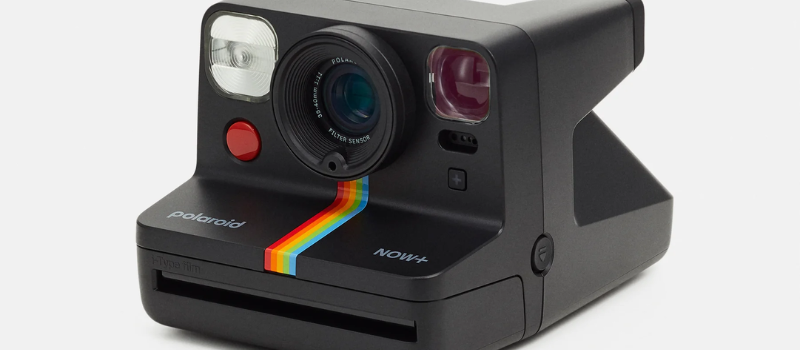
Now, design also plays a role. Many people are drawn to the charm of vintage, and it’s no accident. Cameras with a retro look evoke nostalgia, add a decorative touch, and are often a conversation centerpiece. If you like that classic aesthetic, with physical buttons and soft colors, there are models that seem from another era, but with modern technology inside.
On the other hand, there are also cameras with a minimalist and modern style, designed for those who prefer clean lines, smooth surfaces, and neutral colors. These fit better in contemporary settings and tend to stand out for their functional and sober design.
What’s important here isn’t just which design you like best, but which one adapts best to your lifestyle. Because at the end of the day, a pretty but uncomfortable camera will end up staying at home. Instead, one that combines aesthetics and functionality will be the companion you won’t want to leave behind.
4. Analyze the additional features
Today, instant cameras are no longer limited to shooting and revealing an image in seconds. Many incorporate extra features that can improve (or complicate) the user experience, depending on what you’re really looking for. That’s why it’s important to ask: is it worth paying more for these features?
One of the most common features is the timer. It may seem like a minor detail, but if you enjoy appearing in the photos or taking group shots without having to ask for help, this feature becomes very useful. It gives you those seconds needed to prepare yourself and achieve a more natural shot.
Another interesting feature is the double exposure, which allows overlaying two images into one photo. This effect is ideal if you’re after a more artistic, creative, or experimental result. However, if you only want simple memories, you probably won’t use it often.
Some models include
Now, there are features that do make a practical difference. For example, cameras with a digital screen allow you to review the image before printing, which helps avoid mistakes and wasted film. Although this takes away a bit of the analog “surprise” factor, it can be a great advantage if you don’t want to waste photos.
The built-in flash is another essential tool, especially if you plan to use the camera indoors or in low-light conditions. Make sure it’s automatic or configurable, so you don’t end up with overexposed images.
And if you’re a fan of selfies, look for a model with a front-facing mirror. It may seem like a simple addition, but it helps a lot to frame the shot without guessing.
5. Evaluate image quality (without obsessing)
When it comes to instant cameras, it’s very common for people to ask: how good is the image quality? And while it’s a valid question, it’s also important to adjust expectations. Because, let’s be honest, an instant camera isn’t designed to compete with a digital SLR or a high-end smartphone. Its magic lies elsewhere.
The image quality in this type of camera is generally modest, but enough for the purpose they serve: capturing spontaneous moments with a nostalgic and tangible touch. If you’re seeking extreme sharpness, perfect colors, or high dynamic range, perhaps this format isn’t right for you. But if what you want is to preserve memories in a fun and creative way, you’ll be more than satisfied.
That said, not all instant cameras deliver the same result. Quality varies depending on the brand, the type of film, and the conditions in which you take the photo. For example, natural light greatly favors these devices. Taking photos outdoors, during the day, usually yields more balanced images, with vivid colors and good detail. Conversely, indoors or in low light, the result can be blurrier, with muted tones or pronounced shadows.
The environment also influences: cluttered backgrounds, abrupt movements, or poor exposure can ruin a shot. Some cameras allow you to adjust brightness or activate the flash, which can help in difficult situations, but don’t expect advanced controls like those you would have on professional cameras.
In short, don’t obsess over technical quality. Instant cameras are designed to enjoy the process, not to chase perfection. They are imperfect, yes, but that’s part of their charm. Each photo is unique, unrepeatable, and that has an emotional value that goes beyond megapixels or color fidelity.
A tip? Embrace that somewhat unpredictable aesthetics. Learn to play with light, framing, and spontaneity. Because sometimes a flawed image conveys much more than a perfect one.
6. Check ease of use and configuration
One of the biggest advantages of instant cameras is their simplicity. Unlike other types of cameras that require technical knowledge or complex adjustments, many of these are designed to be used by anyone, regardless of experience. But still, not all offer the same degree of ease of use, and it’s worth paying attention to this aspect before making a purchase.
If you’re a beginner, the ideal is to opt for a “point-and-shoot” model. These cameras do almost everything for you: they calculate the exposure, automatically activate the flash when needed, and don’t require you to adjust anything before taking the photo. You just frame, press the button, and that’s it. This intuitive experience is perfect for those who just want to enjoy the moment without worrying about the technical side.
However, not all instant cameras are that automatic. Some models allow—or even require—you to configure certain parameters, such as exposure, ambient light mode, or even manual focus at short or long distances. For some people, this is an advantage, as it offers more control over the final result. But if you’re not familiar with these terms or simply prefer something practical, these features could become more of a nuisance than a help.
There’s also the film loading process to consider. Some cameras do it very simply, with cartridges that insert in seconds, while in other models it’s a bit more cumbersome. If you’re thinking of giving the camera as a gift or if it will be used by children or elderly people, these details make a big difference.
Don’t forget to also check whether the buttons and controls are well distributed and if the viewfinder offers a clear view. It may seem like a minor detail, but poor ergonomics can affect the experience, especially if you plan to use it frequently.
7. Compare brands and models with good reviews
Once you’re clear on what you want the camera for, what film type you prefer, and which features you value most, it’s time to choose among the different brands and models available. And this is where it’s worth stopping for a moment and making a conscious comparison, based on real experiences, not just advertising.
Among the most recognized brands in the world of instant photography, three names stand out above the rest: Fujifilm, Polaroid, and Kodak. Each has its own approach, and understanding their differences will help you make a better decision.
Fujifilm: reliability and variety
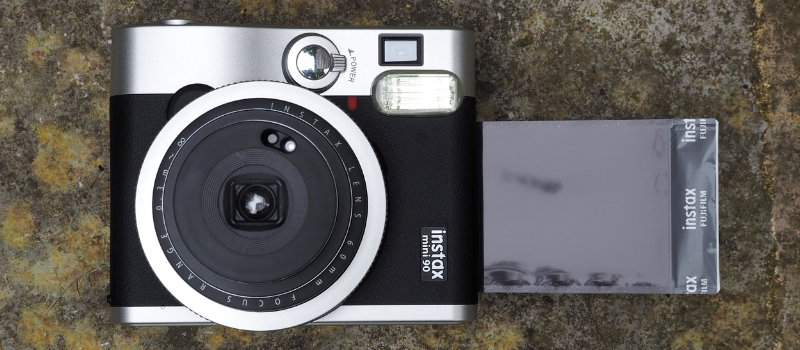
The Fujifilm Instax line is probably the most popular on the current market. Its models, such as the Instax Mini 12, the Instax Mini 90 Neo Classic, or the Instax Square SQ1, offer a combination of ease of use, good design, and consistent results. Additionally, the brand has a wide range of films in different sizes and styles, allowing greater customization. They stand out for being robust cameras, with good outdoor performance and an excellent value for money.
Polaroid: retro essence with current technology
Polaroid is the brand that originated instant photography, and still preserves that nostalgic feel that many people seek. Models like the Polaroid Now+ or the Polaroid Go combine retro design with modern features, such as app control or creative filters. Polaroid photos tend to have a larger format and a very characteristic artistic aesthetic, although the cost per image is somewhat higher.
Kodak: simplicity for casual users
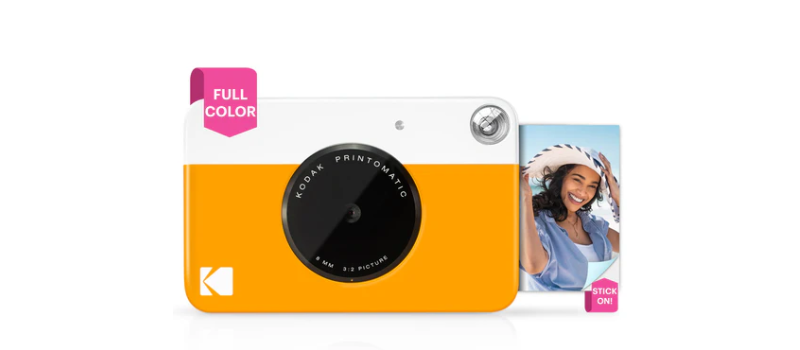
Kodak, though less dominant in this segment, has released interesting models such as the Kodak Mini Shot and the Kodak Printomatic, designed for those who want quick and hassle-free results. Some even combine a digital camera with an instant printer, which allows you to review the image before printing. They’re ideal options for casual users or as a gift for youngsters.
Which model to choose?
There isn’t a single correct answer. The best camera will be the one that balances design, functionality, and ease of use according to your needs. Reading reviews from other users and seeing real photo examples can help you identify which one best fits your style. Because in the end, a good choice not only looks good… it’s enjoyable every time you shoot.
Conclusion
Choosing the ideal instant camera doesn’t have to be a complicated decision, but it does deserve a little attention. As you’ve seen, there are several factors that can make the difference between a satisfactory purchase and one that ends up forgotten in a drawer: from the film type and design to the extra features or ease of use.
The important thing is not to be led solely by appearance or by the first deal you find. On the contrary: when you understand what you need, how you’ll use it, and what you’re willing to invest in the long term, it’s much easier to find a model that really fits you.
Today, instant cameras not only capture images, but also emotions. Each shot is a tangible memory, a pause in a world saturated with screens. And that, beyond technical quality, has an value that cannot be measured in megapixels.
So take your time, compare options, read real reviews, and don’t be afraid to bet on the one that most closely matches your style. Because when you choose well, an instant camera isn’t just a gadget… it becomes a companion of unique moments worth cherishing.

.png)